





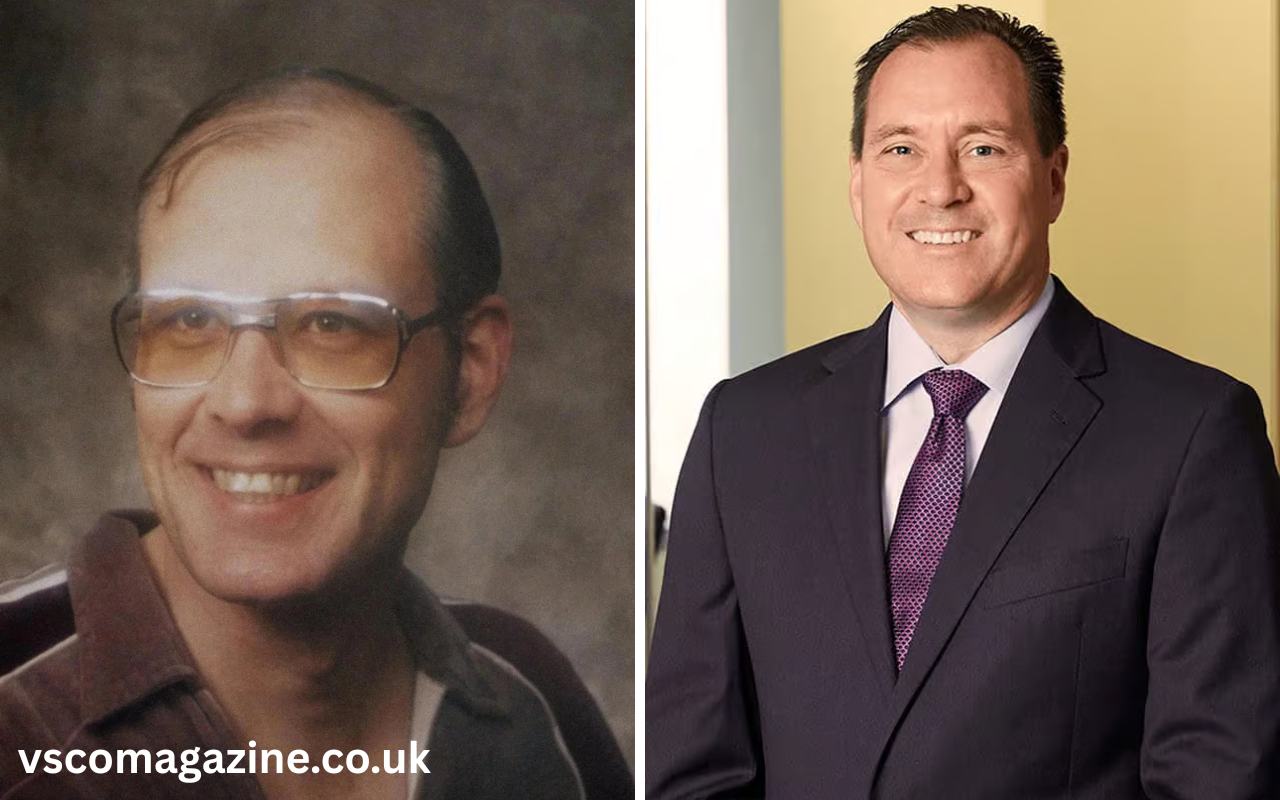
James Huberty The Life, Mental Struggles, and Tragic Legacy of the San Ysidro McDonald’s Massacre
Early Life and Childhood Background
James Oliver Huberty was born on October 11, 1942, in Canton, Ohio, james huberty United States. His early life was shaped by instability and personal challenges that would later become important in understanding his psychological development. He grew up in a working-class environment where financial hardship and family issues were present.
One of the most significant events in his childhood was contracting polio at a young age. This illness affected his physical mobility and left him with a permanent limp. The condition also influenced his confidence and social interactions, making it harder for him to connect with peers during his formative years.
His family situation was also unstable. His mother reportedly left the household to pursue religious commitments, which created emotional distance and feelings of abandonment. These early experiences contributed to a sense of isolation that followed him into adulthood.
Education and Early Development
James Huberty’s education was average, with no strong academic achievements recorded during his school years. He completed basic schooling and later pursued vocational training, focusing on practical skills rather than higher education. His early academic path reflected a preference for structured, hands-on work.
He eventually studied mortuary science, which prepared him for work in funeral services. This field required discipline and emotional control, but it did not appear to provide long-term satisfaction for him. His career choices during this period suggest an attempt to find stability in structured professions.
Despite completing training, he struggled with consistency in his professional development. His early adult life showed signs of instability, as he moved between different jobs while searching for direction and financial security.
Employment History and Financial Difficulties
In his adult years, James Huberty worked in several jobs including welding, security work, and industrial labor. These roles provided income but did not offer long-term stability. His employment history reflects frequent transitions and growing dissatisfaction.
At one point, he worked as a security guard, a position that provided structure but eventually ended when he lost his job. This unemployment period became a turning point in his life, increasing financial pressure and emotional stress.
During this time, he moved with his family to California in search of better opportunities. However, the relocation did not resolve his struggles, and reports suggest his financial situation continued to deteriorate.
Mental Health Struggles and Behavioral Changes
In the years leading up to 1984, James Huberty began showing signs of severe psychological distress. He reportedly experienced paranoia, emotional instability, and increasing difficulty managing stress. These symptoms gradually became more noticeable to those around him.
Some accounts suggest he expressed beliefs that he was being watched or targeted, although no formal long-term psychiatric treatment was documented. His behavior became increasingly erratic, and his ability to cope with daily life declined.
Despite warning signs, effective mental health intervention was not achieved. This lack of support is often discussed in analyses of his life, as it highlights broader concerns about untreated mental illness and social isolation.
Family Life and Domestic Struggles
James Huberty was married and had children, but his home life was reportedly marked by tension and emotional instability. His financial difficulties and psychological struggles placed strain on family relationships.
His wife attempted to maintain stability within the household, but reports suggest increasing difficulty in managing his behavior. Emotional stress and financial pressure contributed to a challenging domestic environment.
Although the family remained together, the situation became progressively unstable. This period of his life is often examined as part of the broader context of his mental decline.
The San Ysidro McDonald’s Massacre
On July 18, 1984, James Huberty carried out a mass shooting at a McDonald’s restaurant in San Ysidro, California. The incident became known as the San Ysidro McDonald’s massacre and remains one of the deadliest mass shootings in United States history.
He entered the restaurant armed with multiple firearms and began firing at employees and customers inside. The attack lasted more than an hour and created widespread panic. Many victims were trapped inside during the incident, which made the situation even more tragic.
By the end of the attack, 21 people were killed and many others were injured. The event shocked the nation and became a defining case in discussions about public safety and mass violence.
Law Enforcement Response and Ending of the Incident
Read More : Helena Bonham Carter Husband Why She Never Married Tim Burton or Anyone Else
Law enforcement agencies responded quickly to emergency calls and surrounded the area. Due to the scale of the attack, a coordinated tactical response was required to manage the situation and protect civilians.
After a prolonged standoff, a police sniper ended the attack by shooting James Huberty, bringing the incident to a close. The rapid escalation of the situation highlighted the challenges of responding to active shooter events in public spaces.
The response led to significant changes in how law enforcement approaches mass casualty situations. It became a case study for future emergency response planning in the United States.
Public Reaction and National Impact
The San Ysidro McDonald’s massacre caused widespread shock and grief across the United States. The randomness and scale of the violence deeply affected the public and raised concerns about safety in everyday locations.
Media coverage of the event was extensive, and it became one of the most discussed tragedies of the 1980s. It also led to national conversations about mental health awareness and access to firearms.
The incident remains a key reference point in studies of mass violence and criminal behavior. It is often analyzed to understand warning signs and systemic gaps in prevention.
Legacy and Historical Significance
James Huberty’s legacy is entirely defined by the tragic events of 1984. His actions are studied in criminal psychology and law enforcement training as an example of extreme mass violence.
The San Ysidro McDonald’s massacre remains one of the earliest modern mass shootings in the United States to receive national attention. It influenced later discussions on public safety policies and emergency response systems.
Ultimately, his life story is viewed through the lens of tragedy, mental health struggles, and societal impact. It serves as a reminder of the importance of early intervention and support systems for individuals in crisis.