


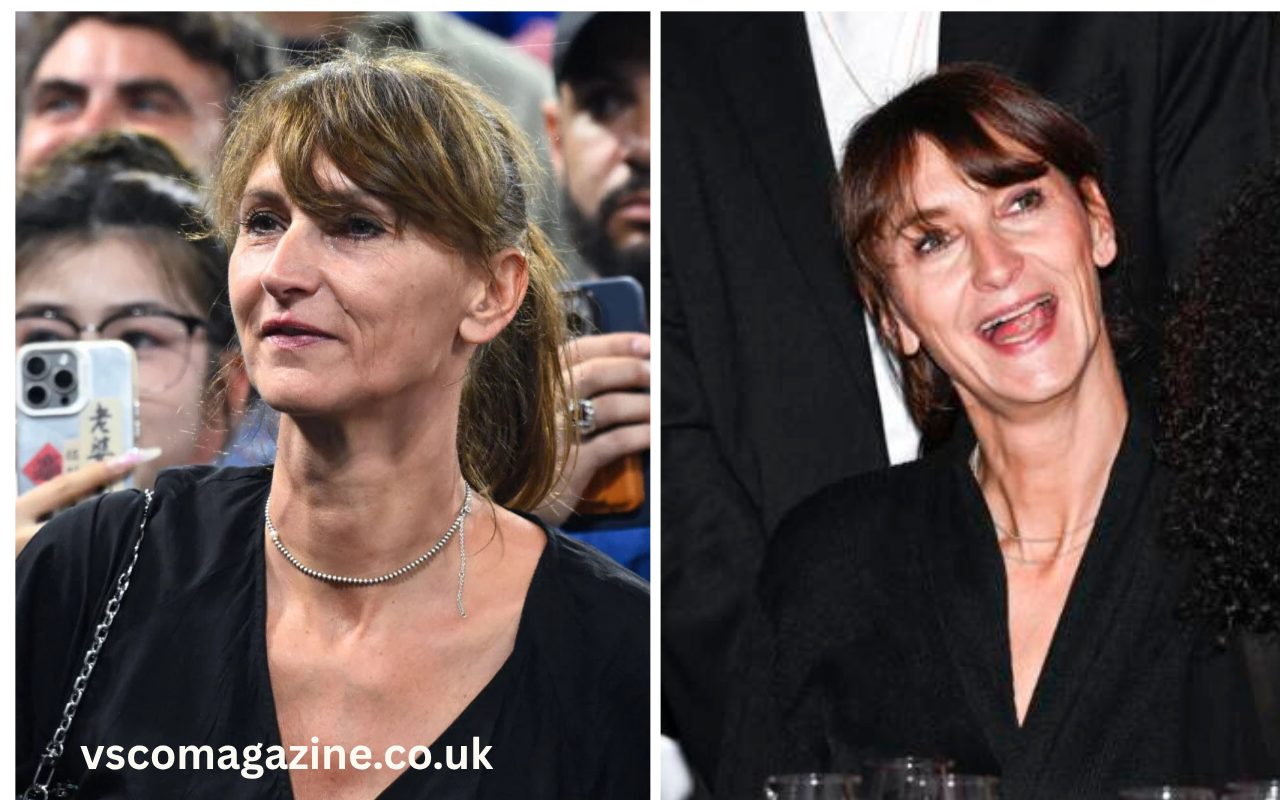
Élodie de Fautereau: The Influential Legacy of a Basketball Figure
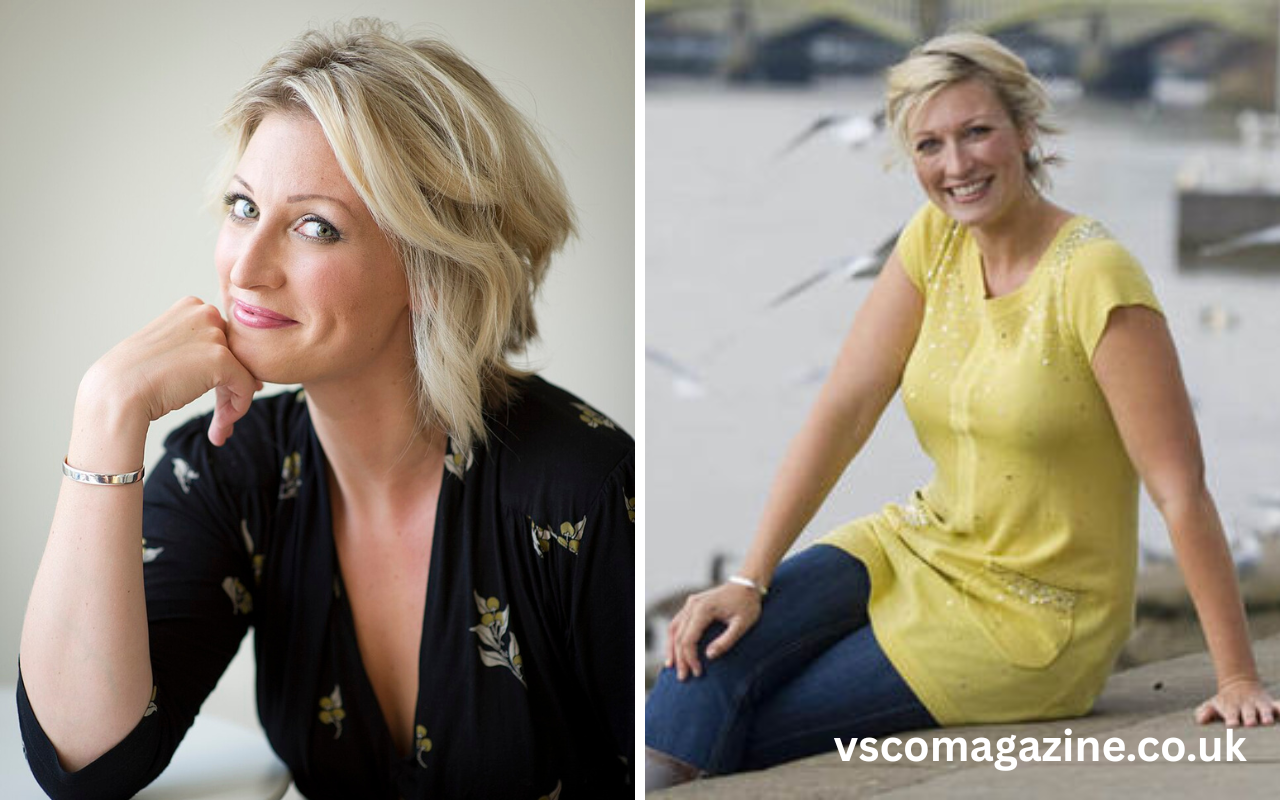
Élodie de Fautereau is increasingly becoming a name recognized by basketball fans around the world, not just as a former athlete but as a mentor, parent, and influential figure in the rise of one of the sport’s biggest modern stars. Her life, rooted in French sport and family devotion, provides a compelling narrative filled with athletic achievement, personal dedication, and the enduring impact of nurturing talent. In this in‑depth article, we explore her early life, basketball career, coaching efforts, role in her family’s success, and her broader legacy in the sport.
Early Life and Background
Élodie de Fautereau was born on August 12, 1971, in France, where she grew up immersed in a culture passionate about sport and community. Long before she became known for her connections to elite athletes, Élodie developed a deep love for athletic activity and team play, setting the stage for her future involvement in basketball. Her formative years were shaped by the physical and strategic elements of team sports, which would later influence her own sporting style and mentorship abilities.
Growing up in the French sporting landscape, Élodie’s environment played a significant role in molding her athletic identity. Surrounded by peers and institutions that valued competitive sport, she cultivated both discipline and resilience. These traits would serve her well as she stepped into the highly competitive world of professional basketball—a field that demands not only physical prowess but also tactical awareness and team collaboration.
Her early life was also marked by academic pursuits that complemented her athletic ambitions. By balancing both school and sport, Élodie embodied the disciplined mindset that would make her successful both on and off the court, demonstrating that personal growth and sporting excellence can go hand in hand.
Professional Basketball Career
Élodie de Fautereau’s professional journey began when she emerged as a talented basketball player in France, competing at high levels domestically and in European competition. Records from the international basketball federation FIBA show her participation in competitions such as the Ronchetti Cup, where she made notable statistical contributions to her team’s efforts, averaging more than ten points per game in tournament play.
Her playing style was distinguished by a strong sense of court awareness and a tenacious approach to both offense and defense. While specific details about her role or position may vary across competitions, what remains clear is that Élodie brought dedication and competitive spirit to every match. Her athletic ability was recognized by teammates, opponents, and coaches alike, and she earned respect for her consistent performance in key European basketball contests.
Beyond her achievements on the stat sheet, Élodie’s influence in professional basketball is best understood through her embodiment of the sport’s values: teamwork, strategic thinking, and resilience. Her career in the sport set the foundation for what would become a lifelong relationship with basketball, transcending her playing days as she transitioned into coaching and mentorship.
Transition to Coaching and Mentorship
After retiring from professional play, Élodie de Fautereau shifted her focus toward coaching, a natural progression for someone deeply passionate about basketball. She became a youth basketball coach in France, where she worked with emerging players and helped cultivate the next generation of talent. Her hands‑on coaching style emphasized fundamentals, discipline, and the importance of developing a strong work ethic.
As a coach, Élodie brought not just experience but empathy and insight, drawing from her own career to instruct young athletes on both the technical and psychological aspects of the game. Coaching youth players requires patience and adaptability, and Élodie’s ability to communicate complex ideas in understandable ways helped her students grow with confidence.
Her work as a youth coach also gave her the opportunity to influence players at crucial stages in their development. Rather than merely focusing on short‑term results, Élodie prioritized building strong foundations—teaching her players how to think as athletes, foster teamwork, and understand the game beyond physical skills. In this role, she became a mentor not just in sport but in life skills that benefit young people far beyond the basketball court.
Family Life and Personal Relationships
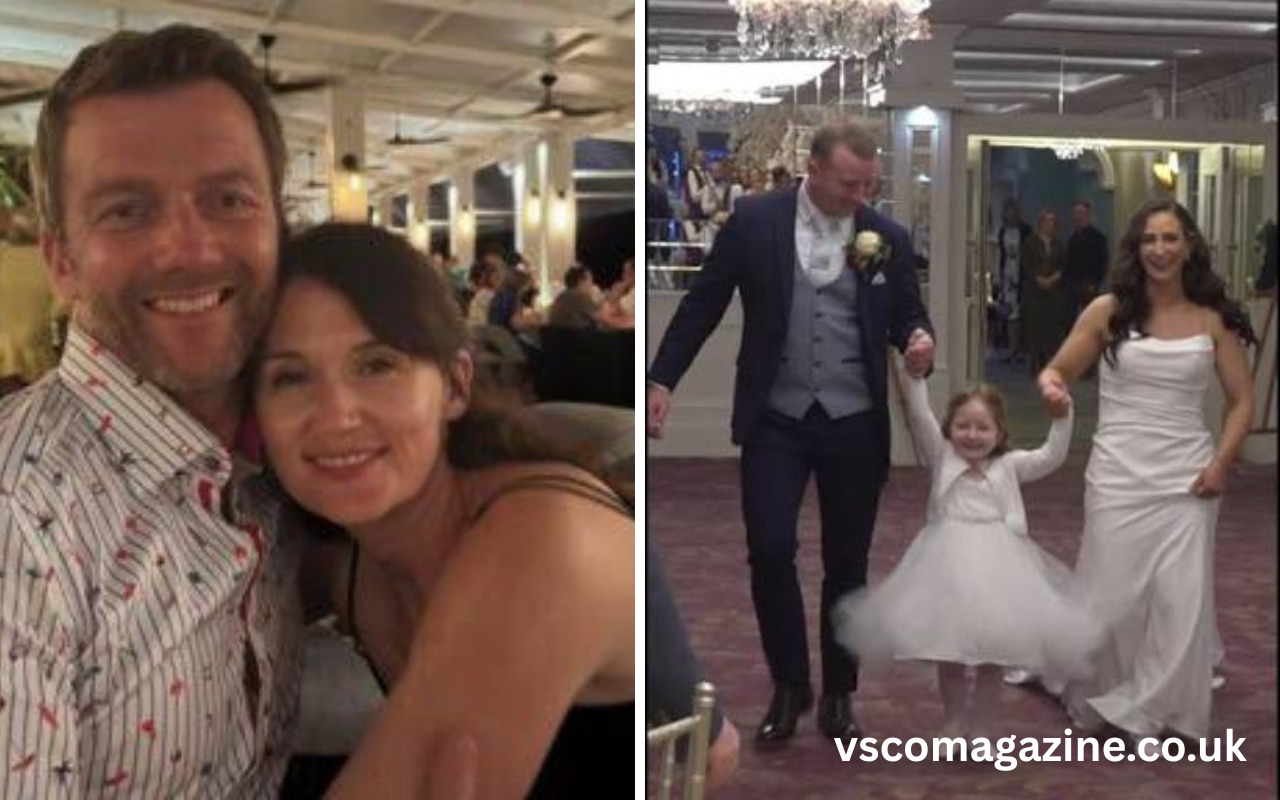
Family has always been central to Élodie de Fautereau’s life. She married Félix Wembanyama, a former track and field athlete, and together they built a household centered around physical activity, competition, and mutual support. Their shared love for sport created a unique family environment where all members were encouraged to pursue their passions with dedication.
Élodie and Félix raised three children: Ève, Victor, and Oscar. Each of them grew up deeply involved in sport, a natural outcome of their parents’ influence. The family’s home in Versailles became both a sanctuary and an athletic incubator, where sporting discussions, drills, and encouragement were everyday elements of life.
This family dynamic fostered strong bonds among the siblings and helped instill values that contributed to their successes. Élodie’s role as both a parent and a mentor created a supportive environment where her children could thrive—not just because of their talents but because of the unwavering encouragement they received at home.
Influence on Victor Wembanyama’s Basketball Journey
While her children pursued their individual athletic paths, one child in particular came to international prominence: Victor Wembanyama, widely considered one of the most exciting basketball prospects of his generation. Victor’s rise to prominence in the NBA brought new attention to Élodie and her role in his development.
Victor has credited his mother with introducing him to basketball and fostering his early interest in the sport, acknowledging that her own background played a role in shaping his athletic aspirations. Though Victor has noted in interviews that his formal training wasn’t exclusively guided by his mother, Élodie’s influence undoubtedly provided the structural foundation that allowed him to pursue his own basketball journey successfully.
Her support extended beyond early training; Élodie has been visible in key moments of Victor’s career, celebrating his achievements and offering encouragement through both triumph and setback. These moments reflect the profound emotional support she has provided, reinforcing the idea that elite athletes often rely as much on family stability and guidance as they do on physical talent.
Public Appearances and Media Presence
As Victor’s career has soared, Élodie de Fautereau has appeared alongside him at significant public events, from high‑profile games to cultural moments like fashion shows and major international competitions. Such public appearances have introduced her to a wider audience, helping fans around the world recognize her not only as a supportive parent but as a figure in her own right.
Her media presence often reflects a blend of pride and discreet strength, portraying her as someone who stands calmly behind the spotlight while encouraging greatness. Whether attending a game or walking the red carpet at a prominent event, Élodie exudes a quiet confidence rooted in years of sporting experience and personal resilience.
These moments in the public eye have endeared her to many who appreciate the personal stories behind professional careers. Her visibility underscores the broader narrative of family support in elite sport and highlights the often‑unseen contributions of people who shape champions from behind the scenes.
Legacy in Basketball and Sport Culture
Élodie de Fautereau’s legacy extends beyond statistics and public recognition. As a former professional player, coach, and influential parent, she embodies the deep cultural connections that bind sport and community. Her journey illustrates how passion for a game can span generations, shaping not only personal achievements but the broader fabric of sporting culture in France.
Her impact on her children’s lives, particularly in nurturing the talent of players like Victor, speaks to a legacy rooted in empowerment and love. Élodie’s story resonates with families around the world who see sport not just as competition but as a vehicle for growth, identity, and shared experience.
Ultimately, Élodie de Fautereau represents the countless contributors to sport whose names may not always headline the news but whose influence reverberates through the achievements of those they inspire and support. Her journey reminds us that behind every remarkable athlete is a network of guidance, sacrifice, and belief—pieces of a legacy that endure long after the final whistle.
Read More: Cheyenne Brando A Life Defined by Tragedy and Family
Continuing Influence and Future Outlook
Today, Élodie de Fautereau continues to influence the basketball world in both visible and subtle ways. Her story remains interwoven with broader conversations about youth development, coaching, and the role of family in elite sport. As more people learn about her contributions, interest in her life and legacy continues to grow.
Her ongoing presence at international events and media moments will likely introduce her to new generations of fans, reinforcing her position as a respected figure in the basketball community. At a time when stories of personal perseverance are highly valued, Élodie’s journey offers insight into the enduring power of support, dedication, and athletic passion.
For aspiring athletes and coaches alike, her life serves as a testament to the importance of nurturing talent with patience, expertise, and love—core components of a legacy that transcends individual achievement to shape cultural narratives in sport.