





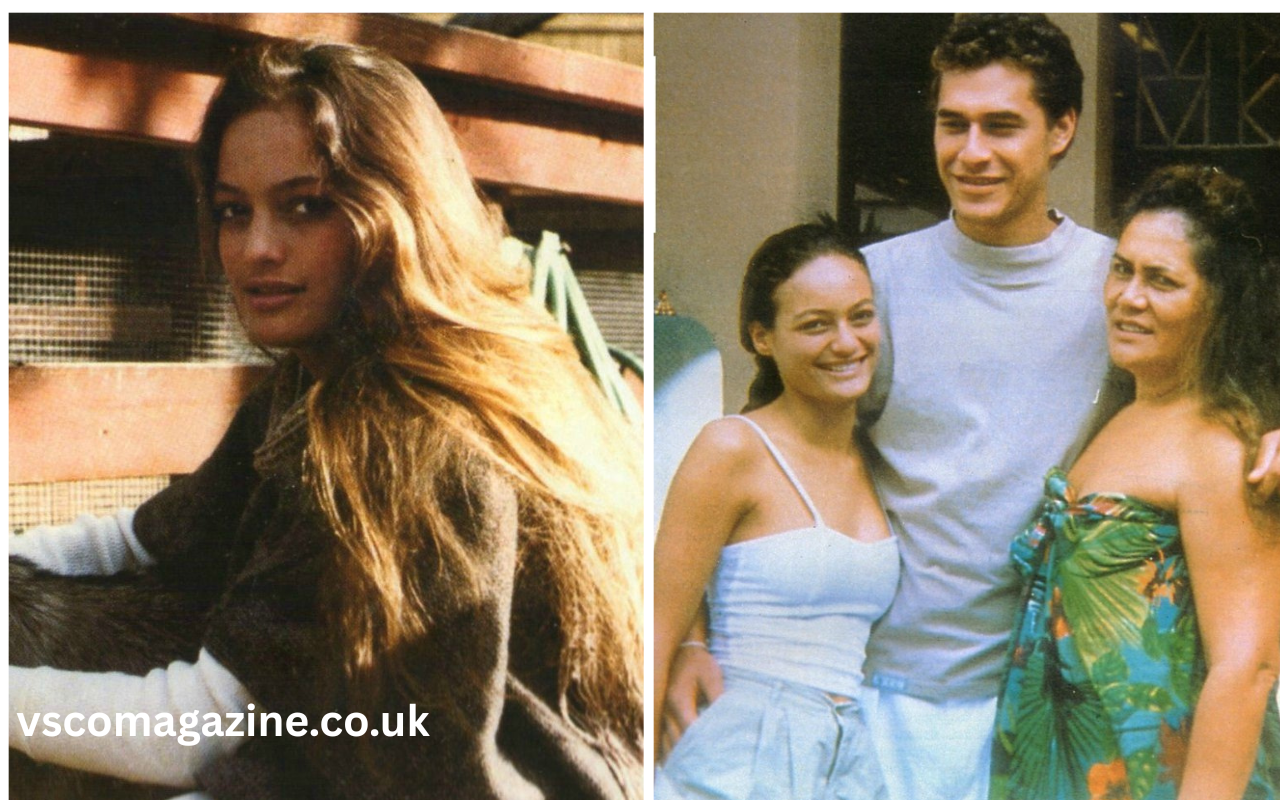
Cheyenne Brando A Life Defined by Tragedy and Family
Introduction: The Tragic Life of Cheyenne Brando
Cheyenne Brando, the daughter of famed actor Marlon Brando and Tahitian actress Tarita Teriipaia, lived a life overshadowed by her father’s fame and marred by personal tragedies. Born on February 20, 1970, in Tahiti, her life story remains one of the most poignant tales in Hollywood’s history. While Marlon Brando’s legacy is widely celebrated, Cheyenne’s life, defined by tumult and grief, is often overshadowed by the larger-than-life figure of her father. Despite the beauty and promise that Cheyenne held, her life was tragically short and filled with pain, mental health struggles, and a public family saga that never fully healed.
Growing up in Tahiti, Cheyenne was far from the glitz of Hollywood, yet she carried the weight of her father’s celebrity. She had a complex relationship with her father, whom she admired yet later resented for not being there during her formative years. Marlon Brando’s absence in her life during her early years planted seeds of emotional instability that would follow her throughout adulthood. As she grew older, Cheyenne found herself battling with her identity, struggling with a deep-seated emotional pain that would lead her to tragic decisions. Her journey is a reminder of the hidden struggles that even the children of the most famous figures face.
Cheyenne’s tragic end came at the young age of 25, but her story deserves to be told, as it serves as a stark contrast to the celebrity world that so often eclipses the personal lives of those connected to it. The pain, sorrow, and love that she experienced were as complex and multifaceted as her father’s legacy. Her life, filled with promise but cut short by tragedy, is a story of how the shadows of fame can sometimes be more damaging than its bright lights.
Early Life and Family Dynamics
Cheyenne Brando’s childhood began in the tranquil surroundings of Tahiti, where her parents had met while Marlon Brando was filming Mutiny on the Bounty. Marlon and Tarita Teriipaia’s relationship produced two children, Cheyenne and her brother Teihotu. Their life in Tahiti, though serene on the surface, was complicated by the absence of Marlon, who was largely removed from his children’s daily lives. Marlon Brando’s decision to keep his children away from Hollywood’s spotlight was part of his desire to protect them from the pressures he had endured, but it inadvertently created emotional distance.
Despite Marlon’s desire to keep Cheyenne and her brother away from the media, Cheyenne’s formative years were influenced by the larger-than-life presence of her father’s fame. Although Marlon sent financial support and gifts, his physical absence created feelings of abandonment. Cheyenne looked up to her father but felt the sting of his neglect, which only worsened as she entered her teenage years. This emotional void led Cheyenne to seek attention and love elsewhere, which often manifested in troubled relationships and destructive behaviors.
The emotional complexity of Cheyenne’s relationship with her father intensified when she found herself torn between admiration and resentment. While Marlon continued to be an iconic figure in American cinema, Cheyenne struggled to build an identity separate from his shadow. As she grew older, she sought more of a connection with her father, but the distance remained. This dynamic was reflective of the larger theme of abandonment that would shape Cheyenne’s life and contribute to the struggles she faced as an adult.
Teenage Years: Struggling with Identity
Cheyenne Brando’s teenage years were marked by confusion, rebellion, and a deepening emotional crisis. As a young woman, Cheyenne began to explore the world outside the protective environment of her mother and Tahiti. She briefly pursued a career in modeling, trying to carve out her own identity in an industry that demanded beauty and perfection. However, her early modeling career was quickly derailed after a devastating car accident in 1989 that left her with serious facial injuries. The accident, which occurred after a fight with her father, shattered her face and her future in modeling.
The trauma of the accident was compounded by her already fragile mental state. Cheyenne’s self-esteem had been deeply impacted by years of living in the shadow of her father’s fame, and the accident marked the beginning of a downward spiral. She became increasingly isolated, turning to drugs and other destructive behaviors to cope with her mounting emotional pain. Despite her outward beauty, Cheyenne found it difficult to handle the pressures of growing up in the public eye, and the combination of substance abuse and emotional turmoil made it nearly impossible for her to regain a sense of stability.
Cheyenne’s modeling dreams faded, and she began to exhibit signs of deeper mental health issues. By the time she entered her twenties, her struggles with depression and substance abuse became more pronounced. Her relationship with her family, particularly with her father, deteriorated further. This period was a time of intense personal conflict, with Cheyenne struggling to find a path that was her own while grappling with the emotional baggage of her family legacy.
The Tragic Death of Dag Drollet
In 1987, Cheyenne entered a romantic relationship with Dag Drollet, a young man from Tahiti, and by 1989, they were expecting a child together. The relationship was tumultuous, marked by intense emotions and frequent arguments. The pressures of their relationship, combined with the deepening turmoil in Cheyenne’s personal life, set the stage for a tragedy that would forever alter her future. Dag Drollet’s death, at the hands of Cheyenne’s half-brother Christian Brando, is one of the most tragic chapters of the Brando family saga.
On May 16, 1990, Christian Brando shot and killed Dag Drollet in a confrontation that escalated after Cheyenne accused Dag of abuse. Christian, who was deeply protective of his sister, claimed the shooting was an act of defense, but the death of Dag sent shockwaves through the Brando family. Cheyenne was left devastated by the loss of her boyfriend, and the emotional fallout from the incident would haunt her for years to come. The media coverage of the murder added another layer of stress to Cheyenne’s already fragile mental state.
The tragic death of Dag Drollet placed Cheyenne at the center of a complex legal and familial drama. Christian was later convicted of voluntary manslaughter and served several years in prison. Cheyenne, meanwhile, was emotionally shattered and unable to cope with the loss of her boyfriend, her brother’s actions, and the public attention surrounding the case. This was a pivotal moment in her life that compounded her struggles with mental health and made it even more difficult for her to find peace.
The Decline of Cheyenne’s Mental Health
Read More : Mae Capone The Untold Story of Al Capone’s Loyal Wife
Following the murder of Dag Drollet, Cheyenne’s mental health deteriorated significantly. She had always struggled with depression and emotional instability, but the trauma of losing her boyfriend, coupled with the pressures of being in the public eye, sent her into a deep spiral. Cheyenne became more reclusive, and her drug use intensified as a means of coping with the overwhelming grief and guilt that consumed her.
Her family attempted to intervene, and she was admitted to psychiatric facilities on several occasions. Despite efforts to help, Cheyenne’s struggles with mental illness seemed to have no end. She was diagnosed with schizophrenia, and her life became a series of relapses and attempts at recovery. While Marlon Brando had once tried to shield Cheyenne from the pressures of fame, his own emotional distance and the lack of a strong family support system made it difficult for Cheyenne to find lasting stability. Her sense of isolation grew, and she retreated further from the public eye.
Cheyenne’s emotional distress also affected her relationship with her son Tuki Brando, whom she had with Dag Drollet. After her mental health began to deteriorate, custody of Tuki was given to Cheyenne’s mother, Tarita Teriipaia, who took on the responsibility of raising him. This separation from her son further compounded Cheyenne’s feelings of loss and grief, leading her down an even darker path of depression and emotional instability.
Cheyenne’s Death: A Tragic End
On April 16, 1995, Cheyenne Brando died by suicide at the age of 25. Her death occurred in Tahiti, where she had been living in seclusion for several years. The details of her death were heartbreaking, and the loss of a young woman who had been full of promise yet burdened by deep emotional pain marked the end of a tragic family saga. Cheyenne’s passing was a devastating blow to her family, particularly her mother and son, who had tried to support her through her most difficult times.
Her suicide highlighted the deep emotional toll that her troubled upbringing, tumultuous relationships, and mental health struggles had taken on her. Cheyenne’s inability to cope with the trauma in her life is a stark reminder of the profound effects that unresolved grief and untreated mental illness can have. The tragic end of Cheyenne Brando remains one of the most sorrowful chapters in the history of the Brando family.
Cheyenne’s funeral was held privately in Tahiti, where she was laid to rest. Though Marlon Brando did not attend the funeral, the Brando family mourned the loss of a young woman whose life had been filled with promise, yet marred by unimaginable hardship. Her legacy is a bittersweet reminder of the price of fame, family dysfunction, and the unresolved trauma that can haunt a person until the very end.
Legacy and Reflection
Cheyenne Brando’s life, though tragically short, remains a poignant part of the Brando family’s legacy. Her story is a reminder of the hidden struggles that many face, even those born into fame and privilege. Despite her father’s Hollywood success and the wealth that came with it, Cheyenne’s life was far from glamorous. She lived in the shadow of her father’s legend, battling inner demons and enduring public scrutiny that made her life far more challenging than it appeared.
Her story serves as a reflection on the complexities of family dynamics, the long‑lasting effects of trauma, and the importance of mental health support. Cheyenne Brando’s life may not have had the fairytale ending many might have hoped for, but it offers valuable lessons about the human condition and the emotional costs of fame. Her struggles were her own, but they also reflect a larger narrative about the pressures of family, the burden of expectation, and the fight for personal identity.
Although Cheyenne Brando’s name will always be linked to the legacy of Marlon Brando, her life is a tragic reminder of the need for empathy, understanding, and support for those battling mental health issues. Her story is far more than just the tale of a famous daughter; it is the story of a young woman who, despite her father’s wealth and fame, faced insurmountable challenges of her own.